Why brand owners should consider experiential marketing to create sales

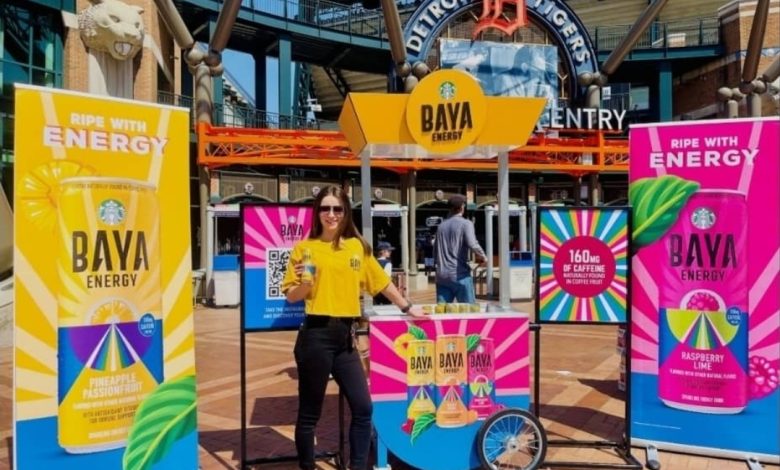
In today’s highly competitive marketplace, attracting consumers is no longer the biggest challenge for brands. The real test lies in creating memorable experiences that build lasting relationships. With consumers exposed to thousands of marketing messages daily, traditional advertising alone is often insufficient to secure attention, trust and loyalty.
This shift in consumer behaviour has made experiential marketing one of the most powerful strategies available to modern brand owners. Rather than simply telling consumers about a product, experiential marketing allows them to interact with it in meaningful ways, creating emotional connections that influence purchasing decisions long after the experience has ended.
As businesses increasingly compete on customer experience rather than price alone, investing in experiential marketing has become a strategic necessity rather than a luxury.
Creating emotional connections
Consumers rarely remember every advertisement they see, but they often remember how a brand made them feel.
Experiential marketing enables brands to create immersive experiences that appeal to the senses and emotions. Whether through live events, product demonstrations, interactive installations, pop-up activations or virtual experiences, consumers become active participants instead of passive audiences.
These emotional moments strengthen brand affinity and make consumers more likely to choose the brand over competitors.
Building trust through first-hand experience
Many consumers remain sceptical of advertising claims. They prefer to experience products before making purchase decisions.
Experiential marketing removes uncertainty by allowing consumers to see, touch, taste or test products firsthand. This direct interaction provides authenticity that conventional advertising struggles to achieve.
For brands launching new products, demonstrations and trial experiences can significantly accelerate consumer acceptance and confidence.
Driving stronger brand recall
Marketing research consistently shows that experiences are remembered longer than advertisements.
When consumers participate in a memorable brand event, they associate those positive memories with the product itself. This strengthens brand recall whenever they encounter the product on store shelves or online marketplaces.
In crowded product categories, superior brand recall often becomes a decisive competitive advantage.
Encouraging word-of-mouth marketing
Satisfied consumers naturally share exciting experiences with friends, family and colleagues.
Today’s digital environment amplifies this effect through social media, where consumers post photos, videos and reviews of brand activations. A successful experiential campaign therefore extends far beyond the event itself, generating valuable organic publicity.
This user-generated content often carries greater credibility than paid advertising because it comes from real consumers.
Generating valuable consumer insights
Experiential marketing also serves as an effective research tool.
During activations, brand owners can observe consumer behaviour, collect feedback, understand purchasing motivations and identify product improvement opportunities.
These real-time insights help companies refine their offerings, improve customer experience and make better-informed marketing decisions.
Strengthening customer loyalty
Acquiring new customers is generally more expensive than retaining existing ones.
Experiential marketing rewards customers by giving them exclusive access to product launches, personalised engagements, educational workshops or entertainment experiences.
These interactions deepen relationships and encourage repeat purchases while transforming satisfied customers into enthusiastic brand advocates.
Differentiating the brand
Many products offer similar features and comparable pricing.
What often separates successful brands is the overall customer experience.
Experiential marketing helps brands communicate their personality, values and purpose in ways that conventional advertising cannot. Consumers increasingly support brands whose values align with their own, making authentic experiences an important differentiator.
Supporting digital marketing efforts
Experiential marketing and digital marketing are no longer separate disciplines.
Successful brand activations generate content that fuels social media campaigns, influencer partnerships, online conversations and digital storytelling. Consumers who participate in physical experiences often continue engaging with the brand across multiple digital platforms.
This integration extends campaign reach while improving return on marketing investment.
Delivering measurable business results
Modern experiential marketing is increasingly data-driven.
Brands can now measure attendance, consumer engagement, lead generation, product trials, social media impressions, customer sentiment, conversion rates and sales impact.
These performance indicators allow marketers to evaluate campaign effectiveness and optimise future investments with greater precision.
Staying Relevant in an Experience Economy
Consumers today increasingly value experiences over possessions. They seek brands that entertain, educate, inspire and solve real-life problems.
As competition intensifies across industries, experiential marketing offers brands an opportunity to remain relevant by creating meaningful moments rather than simply broadcasting promotional messages.
Companies that consistently deliver memorable experiences are more likely to earn consumer trust, strengthen loyalty and achieve sustainable growth.
Conclusion
Experiential marketing has evolved from a promotional tactic into a strategic business tool that enables brands to connect with consumers on a deeper level.
For brand owners seeking long-term growth, stronger customer relationships and increased market relevance, investing in experiential marketing is no longer optional. In an era where consumers remember experiences more than advertisements, the brands that create meaningful moments will ultimately enjoy the strongest competitive advantage.
What’s you take on ecpetiential marketing?