Analysis
By Adetunji Faleye
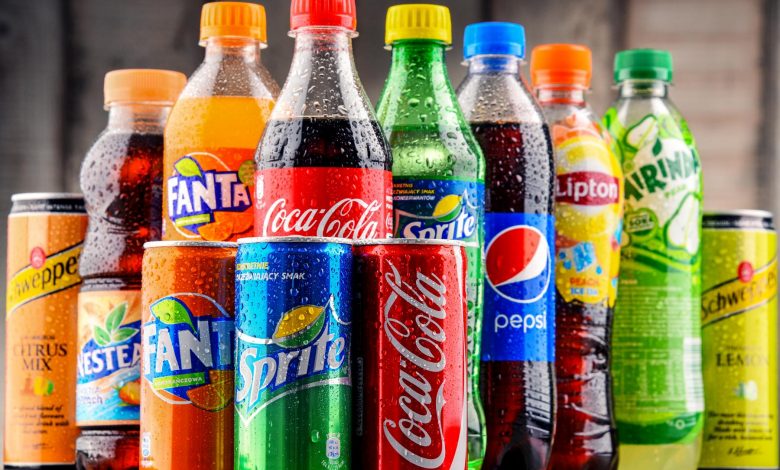
Recently, the Federal Government imposed an excise duty of N10 per litre on all non-alcoholic, carbonated and sweetened beverages.
Zainab Ahmed, minister of finance, budget and national planning who made the announcement during the public presentation of the 2022 Appropriation Act recently in Abuja, stated that the new policy was introduced in accordance with the Finance Act signed into law by President Muhammadu Buhari on December 31, 2021.
Though the government has fingered heavy intake of sugar both by the old and young as the reasons for the imposition of the excise duty of N10 per litre on all these products, it is believed that the government’s action is in line with the guidelines of the World Health Organisation (WHO) to reduce diabetes, obesity and other attendant diseases caused by excess sugar.
WHO, in its guidelines stated that to prevent obesity, diabetes and tooth decay in adults and children, there should be a reduction in the consumption of free sugars to less than 10% of their daily energy intake (equivalent to around 12 teaspoons of table sugar for adults).
The guidelines further suggested a reduction in the intake of sugars to below 5% of daily energy intake (around 6 teaspoons of table sugar for adults) for additional health benefits.
Sugar which is one of the ingredients of the non-alcoholic, carbonated soft drink is very easy to consume in the current food environment.
Case studies
It was as a result of this that many countries across the globe have introduced one form of tax or the other on sugary drinks in accordance with the WHO guidelines to reduce sugar consumption.
For instance, in January 2014, the government of Mexico added a 1 peso per litre excise tax on any non-alcoholic beverage with added sugar (powder, concentrates or ready-to-drink) to the country’s Special Tax on Production and Services, which is paid by the producer and represents about a 10% increase in price for the consumers.
A study conducted by the Mexican National Institute of Public Health and the University of North Carolina evaluating the first two years of implementation showed an average reduction of 7.6% in the purchase of taxed sugary drinks during 2014 and 2015. Households with the fewest resources had an average reduction in purchases of 11.7%. The study showed a 2.1% increase in purchases of untaxed beverages, particularly purchased bottled water.
Based on 2014 data, a tax on sugary drinks of 1 yuan (US$ 0.16) per litre in China generated an estimated 73.6 billion yuan (US$ 11.8 billion) in revenues.
Interestingly, revenue generated from these taxes was spent to improve health care systems, encourage healthier diets, increase physical activity, or build capacity for effective tax administration and further increase the value of this measure.
While these are good examples of such policies well implemented by different countries with good results, the government in Nigeria should have studied how these countries implemented theirs. Government should have also met mind with the producers of all these products to fashion out a gradual implementation which will have little or no effect on their businesses and the consumers as well. After implementation, revenue generated from such tax policy needs to be spent judiciously to improve the health sector, food industry and the well-being of the citizenry to justify the imposition.
Checks by Brand Impact’s Intelligence Unit show that apart from non-alcoholic, carbonated and sweetened beverages, there are other sources of sugar intakes such as biscuits, cakes, dairy products and savoury food through which consumers can easily get excess sugar intakes. Honestly, what the government should have done is to look at the issue of sugar intake holistically and tackle it with all sense of sincerity instead of imposing tax on a few products with sugar contents. Also, the government should have taken a number of actions that can improve the availability and access to healthy food intakes of every Nigerian. Thorough and aggressive enlightenment of the consumers on the effects of excessive sugar consumption needed to have taken place.
In a country where many policies have been greeted with corruption and high-level embezzlements, the imposition of such excise duty on these products is doubtful of yielding any tangible result that will have a direct benefit on consumers.