Expert urges journalists to embrace AI for better performance at Leadway Group Training

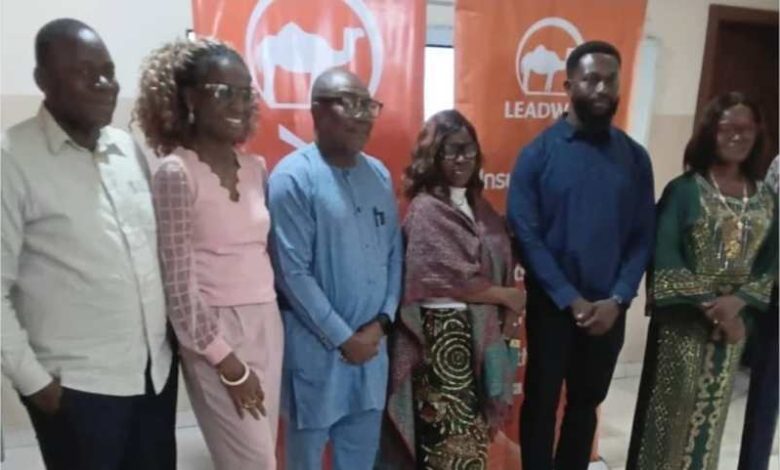
L–R: Corporate Services Analyst, Leadway, Yusuf Adefenwa; Corporate Communications and CSR Manager, Leadway, Motolani Babalola; President, Brand Journalists Association of Nigeria (BJAN), Dan Obi; Former President, Nigerian Association of Insurance and Pension Editors (NAIPE), Nkechi Naeche-Esezobor; Brand and Communications Manager, Leadway, Niyi Abiola, and President, Nigerian Association of Insurance and Pension Editors (NAIPE), Ebere Nwoji, at the journalism training organised by Leadway for news correspondents on Thursday, 16 July 2026, in Lagos.
By Tunji Faleye
An artificial intelligence expert and Group Chief Executive Officer of Billsbox Services Limited, Dr Monday Ashibogwu, has advised journalists to embrace artificial intelligence (AI) to enhance their performance and remain relevant in the evolving media landscape.
Ashibogwu gave the advice on Thursday in Lagos at the Leadway Group Journalism Training, where he urged journalists to maintain credibility in the age of AI while paying close attention to the opportunities and threats associated with the technology.
He said journalists must adopt responsible practices when integrating AI into newsroom operations.
“While integrating Artificial Intelligence into newsroom operations, we must use AI responsibly in content creation and develop an AI strategy for sustainable publishing,” he said.
Ashibogwu also dismissed concerns that AI would replace journalists, saying journalists who embrace and effectively use the technology would replace those who refuse to adapt to it.
However, he warned that AI could generate inaccurate information, facilitate plagiarism and quote fabrication, as well as contribute to deepfakes, copyright violations and misinformation, all of which could undermine public trust in the media.
Meanwhile, Oluwafemi Awoleye, Team Lead, Commercial Business at Leadway Health, urged the media to draw greater attention to challenges including difficulties in accessing healthcare services, the shortage of healthcare workers and the brain drain of medical professionals through their various media platforms.
Awoleye warned that failure to address these gaps could pose a serious threat to the well-being of Nigerians and negatively affect the country’s economic growth.
The group highlighted the media’s vital role as an agent of social change, noting its ability to shape public conversations, influence policy formulation and strengthen evidence-based reporting on pressing health issues.