From fake exam notices to AI caricatures: COOU VC wants ethics taught to every Nigerian undergraduate

Fake exam postponement notices spreading on WhatsApp, AI-made mockeries of lecturers and cyberbullying among students are pushing Nigerian universities into a new kind of crisis, and the Vice-Chancellor of Chukwuemeka Odumegwu Ojukwu University (COOU), Anambra State, says the remedy belongs in the classroom.
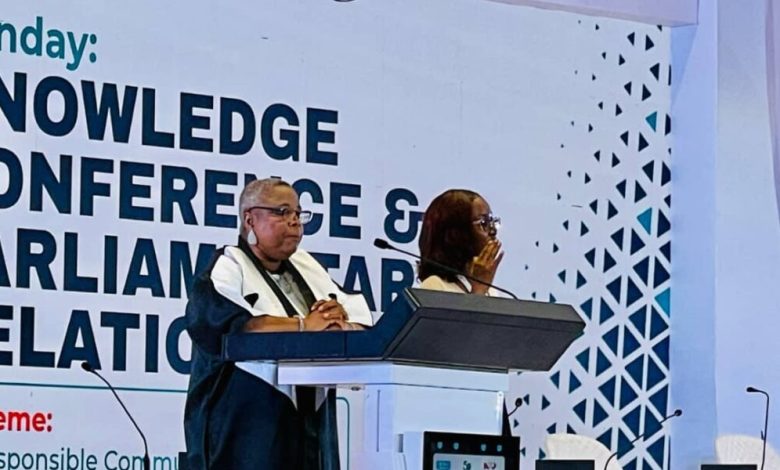
Prof. Kate Azuka Omenugha, FNIPR, the Vice-Chancellor and a Governing Council member of the Nigerian Institute of Public Relations (NIPR), proposed on Monday, November 16, 2026, that communication ethics become a mandatory general studies course in every tertiary institution, whatever a student’s field of study.
She spoke in Abuja at the 2026 World Public Relations Forum (WPRF), held at the Transcorp Hilton, where she hosted the Knowledge Conference and Parliamentary Relations session. The session’s theme was “Responsible Communication and Citizen Representation in a Digitised World.”
Before an international audience of academics, legislators and communication professionals, Prof. Omenugha said young people are increasingly using AI tools to produce defamatory caricatures of lecturers and administrators, to harass fellow students online and to circulate invented announcements. She cited a case in which a false message about postponed examinations raced through WhatsApp, and argued that digital skills without ethical grounding only breed confusion and weaken trust.
She also warned that careless use of AI and social media endangers the credibility of institutions, the integrity of academic work and the health of democratic governance.
“Never before in human history have we witnessed the kind of revolution communication-wise that we are witnessing,” she said. In her view, a profession that only explains decisions taken by others cannot reliably deliver responsible communication; it must hold development accountable to the people it serves. She urged participants to act as “guardians of trust,” adding that getting communication right in classrooms and in parliaments would help secure democracy globally.
At COOU, she has pursued a “3Vs” agenda of Values, Viability and Visibility, which includes digital modernisation, institutional openness and responsible student engagement. Her stated position is that freedom of speech does not excuse recklessness.
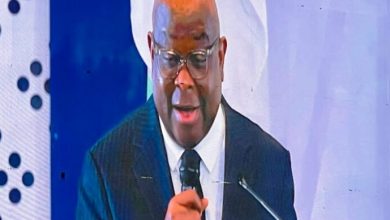
Other speakers echoed her concerns. Senator Dr. Osita Izunaso, FNIPR, who chaired the occasion, cautioned about the grave risks of unregulated AI and called for prompt legislative safeguards.
Prof. Justin Green, President and CEO of the Global Alliance for Public Relations and Communication Management, noted that Africa now holds six seats on the Global Alliance board, the largest regional share, a sign of the continent’s growing sway over ethical communication standards.
Alastair McCapra, CEO of the Chartered Institute of Public Relations (CIPR), UK, and disability inclusion advocate Jerome Anyaele agreed that public trust will return only when communication is ethical, transparent and open to everyone, including Nigeria’s estimated 35 million persons with disabilities.