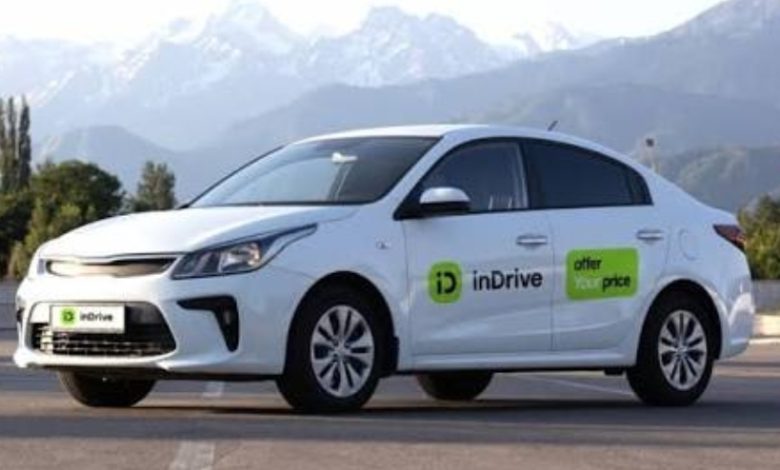
A new study by Oxford Economics has found that enabling riders and drivers to negotiate fares directly within ride-hailing apps can improve market efficiency, widen access to transportation and unlock additional trips, particularly across emerging economies.
The research, conducted in collaboration with global ride-hailing platform inDrive, draws on surveys of riders and drivers in seven developing markets—Colombia, Egypt, Mexico, Morocco, Nepal, Pakistan and Peru. It examines how flexible, user-driven pricing compares with traditional algorithm-based fare models.
According to the findings, while ride-hailing platforms have transformed urban mobility over the past 20 years through dynamic pricing and automated matching, algorithmic pricing often struggles to reflect the economic and geographic realities of emerging markets. Wide disparities in income levels, trip distances and travel conditions mean a single, centrally generated fare may fail to represent the true value of a journey for either riders or drivers.
As a result, some trips that could benefit both parties are never completed, leaving certain routes and communities underserved.
The study identifies in-app fare negotiation as an effective way to close this gap. Rather than replacing algorithmic pricing, negotiation builds on it—typically starting with an automated fare suggestion that riders and drivers can then adjust based on individual circumstances. This hybrid approach introduces greater flexibility and decentralized decision-making where rigid pricing models fall short.
Data from the surveyed markets show strong uptake of negotiated fares. About 75 per cent of trips on inDrive involved fare negotiation, with usage climbing to roughly 80 per cent in parts of Latin America and the Middle East. This adoption has translated into higher trip volumes, as nearly two-thirds of riders and drivers in Latin America said they completed more trips when negotiation was available. Similar patterns were recorded in Egypt, Morocco and Pakistan.
The report also links flexible pricing to rapid user growth. inDrive reached major adoption milestones in countries such as Peru, Egypt, Colombia and Pakistan within relatively short timeframes, highlighting strong acceptance of fare negotiation even in markets with established ride-hailing services.
Beyond growth, the study shows improved affordability for riders and better earnings stability for drivers. In Latin America, 55 per cent of riders said negotiated fares on inDrive were cheaper than alternatives on other platforms, while 66 per cent of drivers said the system helped them avoid poorly paid trips. Around half of respondents across all markets also reported that negotiation made it easier to access trips in remote or hard-to-reach areas.
Commenting on the findings, Oxford Economics Director Anubhav Mohanty said the research underscores the limitations of one-size-fits-all pricing.
“Where incomes, geography and trip conditions vary widely, giving riders and drivers room to negotiate prices can help markets function more effectively, unlock additional rides and improve overall efficiency,” he said.
inDrive’s Chief Growth Businesses Officer, Andries Smit, said fare negotiation restores human judgment to the pricing process.
“Allowing riders and drivers to agree on prices that reflect real-world conditions leads to more completed trips, fairer outcomes for drivers and better access to mobility for riders,” Smit said. “It also reduces reliance on heavy subsidies or short-term discounts, supporting a more sustainable ride-hailing marketplace over time.”
The study concludes that the future of ride-hailing may lie in closer collaboration between algorithms and human choice. While automation remains vital for scale, introducing pricing flexibility can improve accessibility, efficiency and long-term market sustainability.
inDrive currently operates in more than 1,065 cities across 48 countries and is expanding into a super-app model offering locally relevant urban services beyond ride-hailing. The platform has completed over seven billion transactions and recorded more than 390 million app downloads globally, ranking it as the world’s second-most-downloaded ride-hailing app.
What’s is your opinion on this research?